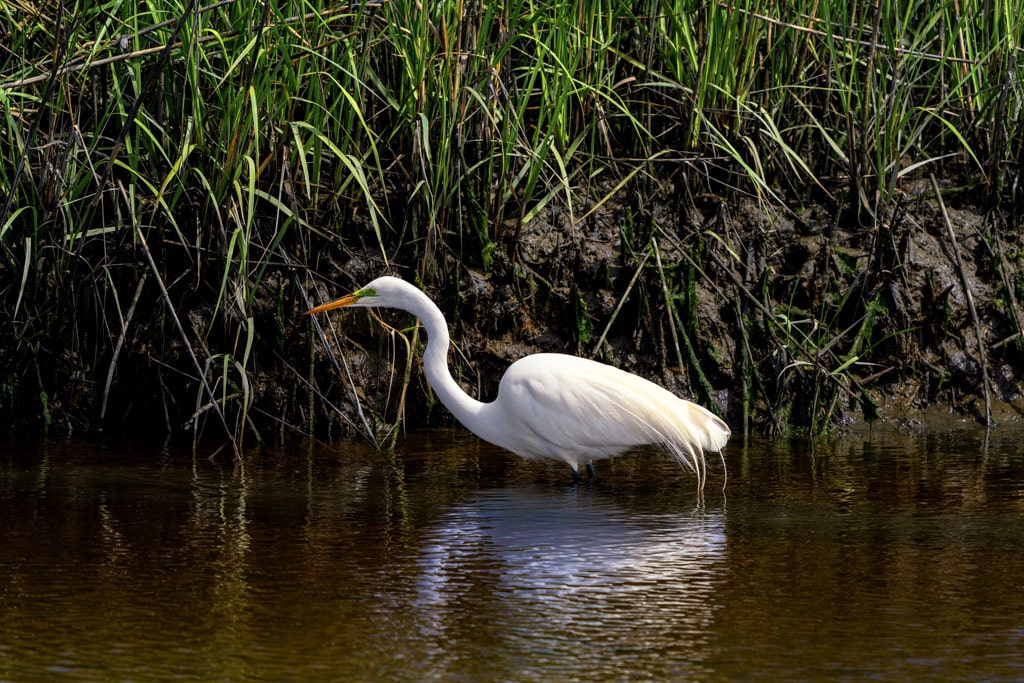
Bird watching, or “birding,” as many enthusiasts call it, is one of those rare hobbies that asks very little and gives back a surprising amount. It’s a simple way to slow down, notice more, and connect with the natural world around us.
You don’t need to travel far, buy expensive gear, or set aside an entire day to enjoy it. In fact, some of the best birding moments happen right at home, on a neighborhood walk, or beneath the trees we pass every day. All it takes is curiosity, a little patience, and a willingness to look and listen.
My own interest in birds began in college while I was studying forest biology with an emphasis in dendrology, the study of trees. During one summer at the Cranberry Lake Biological Station in New York, I heard nearby sounds I had never stopped to notice before. That moment led to a question, then a search, and eventually a habit: I began noticing birds everywhere.
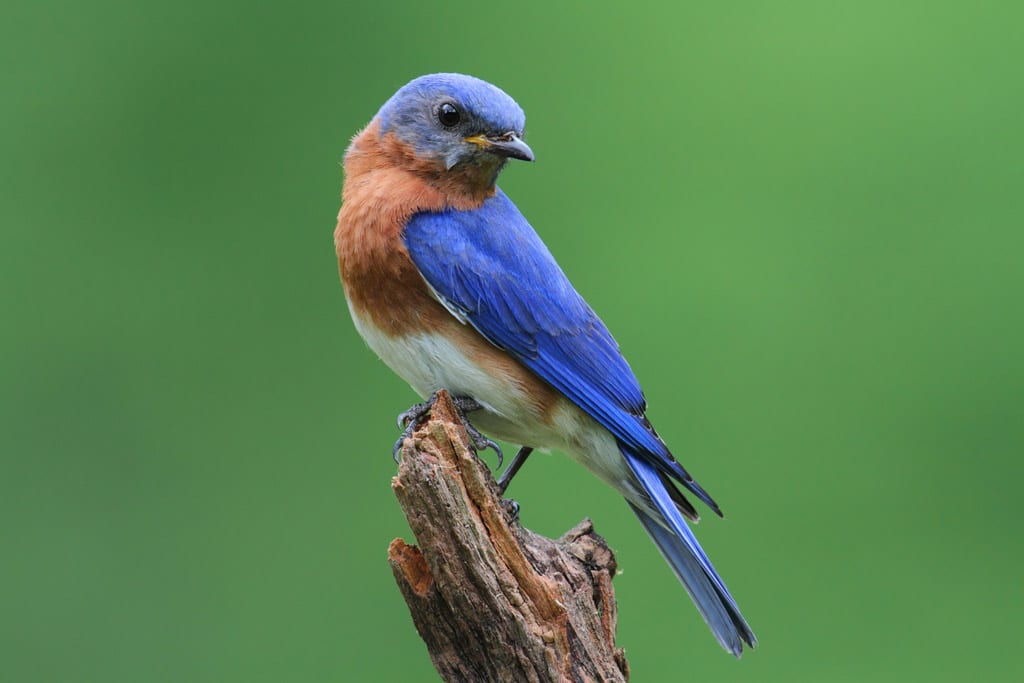
Why Bird Watching Belongs in Everyday Life
• It slows you down and trains your attention. You begin to recognize shapes, songs, movements, and behaviors that once blended into the background.
• It turns ordinary places into places worth noticing. A parking lot with a few trees, a backyard, or a quiet stretch of sidewalk can suddenly become “a spot.”
• It changes with the seasons. New seasons bring new birds, new songs, and new surprises, so there is always something new to discover.
Getting started is easy. You can begin bird watching with nothing more than your eyes and ears. If you want to add a few helpful tools, start small:
• A pair of binoculars can help bring distant birds into clearer view, but they are not required.
• A bird identification app or field guide can make learning easier. The Merlin app is a helpful digital option, and a printed field guide, such as Peterson’s, is still a favorite for many birders.
• A small notebook is useful for jotting down what you see, hear, and want to learn more about.

Robert Andreucci
Make Your Home More Bird-Friendly
You don’t need a large yard to welcome birds. Water often helps more than food; even a small dish refilled daily can make a difference.
Native plants are especially valuable because they support insects, which many birds rely on for food. Leaving a little natural “mess” can help, too: seed heads, leaf litter, and small brush piles all create useful habitat.
Feeders can be a great addition, but they should be cleaned regularly to help prevent pests and disease.
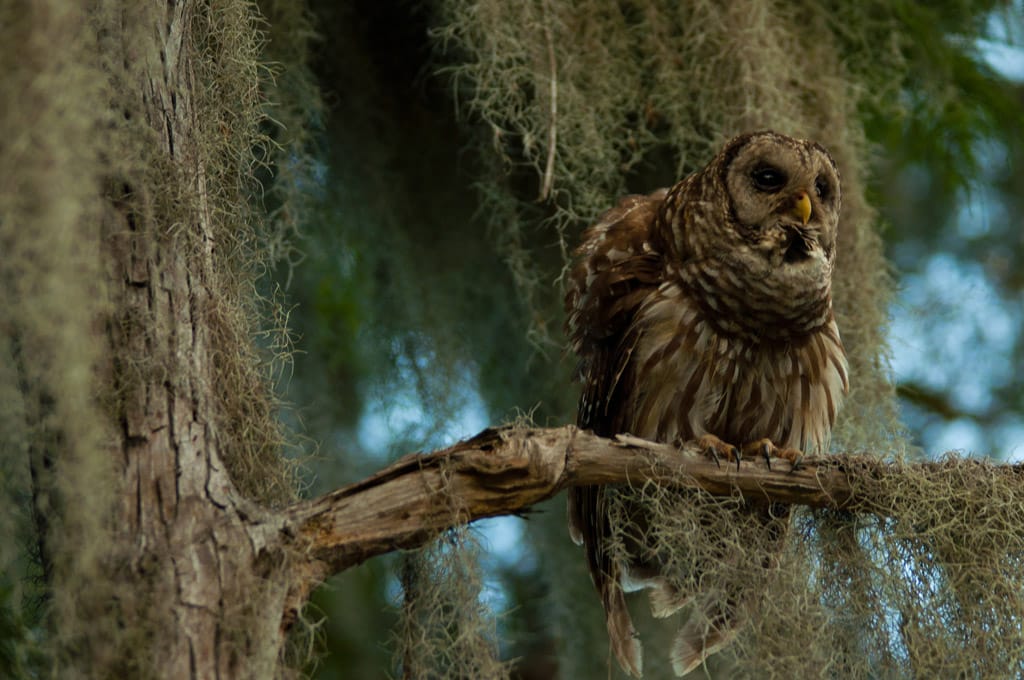
For me, bird watching is really about connection. It connects us with nature, with ourselves, and often with other people who are paying attention to the same things we are. In a busy season of life, it offers small moments of enjoyment that do not need to be planned or purchased.
The birds are already out there. We simply need to take some time to pause long enough to notice them.

The next time you step outside, take one quiet minute to look and listen. You might be surprised by what has been nearby all along.