

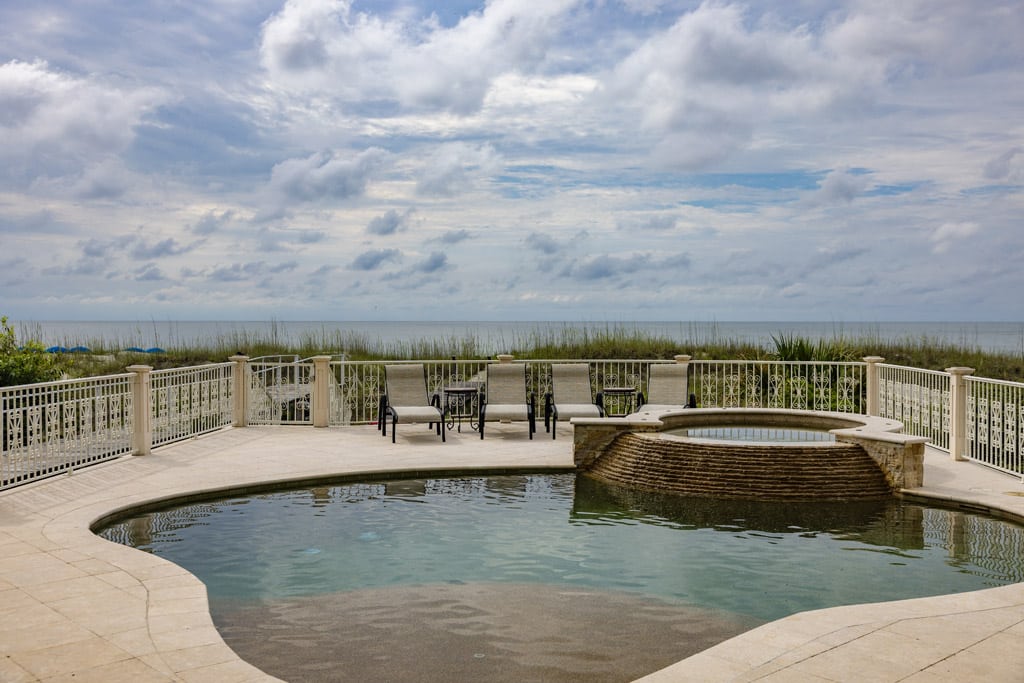

In the Lowcountry, outdoor living is more than a trend; it is a way of life. Long summers, mild shoulder seasons, and a culture built around porches, patios, marsh views, and family gatherings make the backyard an extension of the home itself. For many homeowners, adding a swimming pool is the natural next step in creating a private retreat designed for relaxation, entertaining, exercise, and memory-making.
While the finished product might look effortless – a shimmering pool framed by palms, pavers, and glowing landscape lighting – planning and installing a backyard pool requires thoughtful preparation, realistic expectations, and careful decision-making. From budgeting and design to drainage and permitting, there are many moving parts involved in bringing a Lowcountry pool project to life.
Before selecting tile colors or scrolling through inspiration photos online, homeowners should first determine how they intend to use the pool. The answer shapes virtually every design decision that follows.
Some families want a large recreational pool with shallow areas for children and tanning ledges for lounging. Others envision a sleek, resort-style space for entertaining adults. Retirees may prioritize low-maintenance features, therapeutic spa elements, or lap swimming. Homeowners with marsh or golf views often want the pool to enhance – not compete with – the natural scenery.
Understanding the purpose of the pool helps determine size, shape, depth, materials, and amenities from the beginning. It also helps establish a realistic budget.
Understanding the Budget
One of the biggest misconceptions homeowners have is underestimating the total investment required for a complete outdoor living project. The pool itself is only part of the equation.
In addition to excavation and construction, homeowners should account for landscaping, fencing, decking, lighting, drainage solutions, irrigation adjustments, and furniture. Features such as spas, fire bowls, water features, outdoor kitchens, pergolas, and automation systems can also significantly affect pricing.
Experts recommend building a contingency into the budget for unforeseen conditions, especially in coastal environments where soil conditions, drainage issues, or permitting requirements can create unexpected costs.
While pricing varies widely based on size and customization, homeowners should approach the process understanding that a thoughtfully designed pool is a long-term investment in both lifestyle and property value.
Designing for the Climate
Designing a pool in the Lowcountry comes with unique environmental considerations. Heat, humidity, heavy rainfall, sandy soils, and occasional tropical weather all play a role in determining what materials and layouts work best.
Drainage is one of the most important – and often overlooked – aspects of pool planning. Afternoon thunderstorms and seasonal downpours can quickly create standing water issues if grading and drainage are not properly addressed. Experienced contractors understand how to direct water away from the pool, home foundation, and outdoor living spaces.
Sun exposure also matters. Homeowners should consider where the sun rises and sets over the property to determine ideal placement for tanning shelves, shaded seating areas, and outdoor kitchens. Incorporating both sun and shade into the design creates a more comfortable backyard environment throughout the year.
Salt air near the coast can also impact material selection. Choosing durable finishes, corrosion-resistant fixtures, and quality equipment can help extend the lifespan of the pool and surrounding features.
Navigating HOAs and Permits
In many Lowcountry communities, homeowners’ associations play a major role in the approval process. Neighborhoods in Hilton Head, Bluffton, and surrounding areas often have detailed architectural guidelines governing setbacks, fencing, landscaping, lighting, and even pool placement.
Before construction begins, homeowners should review HOA requirements carefully and understand approval timelines. Some communities require detailed site plans, material samples, drainage studies, or landscape drawings before granting approval.
Permitting requirements also vary depending on municipality and property conditions. Factors such as wetlands, easements, lot coverage restrictions, or protected trees can influence what can be built and where.
This is one reason many homeowners choose experienced local contractors familiar with the permitting and approval landscape. A contractor who regularly works within Lowcountry communities can often help streamline the process and identify potential challenges early.
Choosing the Right Builder
Selecting the right pool builder might be the single most important decision in the entire project.
Homeowners should look for contractors with strong local reputations, transparent communication practices, and portfolios that reflect the style and quality they hope to achieve. Visiting completed projects and speaking with past clients can provide valuable insight into the builder’s reliability and craftsmanship.
It is also important to understand timelines realistically. Pool construction is a multi-phase project involving excavation crews, plumbers, electricians, concrete teams, inspectors, and landscapers. Weather delays, material lead times, and inspection schedules can all affect completion dates.
Clear communication and realistic expectations help reduce stress throughout the process.
Experts also recommend homeowners ask detailed questions about warranties, maintenance requirements, equipment brands, and service support after installation is complete.
Features That Add Function and Style
Modern pools have evolved far beyond simple rectangles in the backyard. Today’s homeowners often seek integrated outdoor living environments that blend beauty with functionality.
Popular features in the Lowcountry include tanning ledges, integrated spas, LED lighting systems, fire features, infinity edges, and automation systems that allow homeowners to control lighting, temperature, and water features from their smartphones.
Outdoor kitchens and covered lounge spaces are also increasingly common, allowing families to enjoy the backyard year-round.
For homeowners seeking a more natural aesthetic, many designers incorporate native landscaping, tabby accents, and soft, coastal-inspired color palettes that complement the surrounding environment.
Importantly, thoughtful design should balance visual impact with long-term maintenance. Features that are stunning on Day One should also be practical and manageable years later.
Planning for Maintenance
Owning a pool comes with ongoing responsibilities, and homeowners should understand maintenance requirements before construction begins.
Water chemistry, filtration systems, seasonal cleaning, and equipment inspections all contribute to keeping a pool functioning properly and safely. While many homeowners hire professional pool service companies, understanding the basics of pool care remains important.
Automation systems have made maintenance easier than ever, but regular upkeep is still essential in the humid Lowcountry climate, where heat and rainfall can affect water balance quickly.
Choosing quality equipment at the outset can reduce future repair costs and improve energy efficiency over time.
Creating a Backyard Destination
At its best, a backyard pool becomes more than a home improvement project. It becomes the backdrop for birthday parties, quiet evenings, weekend cookouts, and late-night conversations under string lights.
In the Lowcountry especially, where outdoor living is woven into everyday life, a thoughtfully planned pool can transform the way homeowners experience their property. The process requires patience, planning, and the right team of professionals, but the reward is often a space that brings family and friends together for years to come.
For homeowners considering taking the plunge, experts agree on one key piece of advice: Plan carefully, ask questions, and think beyond the pool itself. The most successful projects are those that create a complete outdoor experience – one that feels seamlessly connected to both the home and the natural beauty of the Lowcountry.