


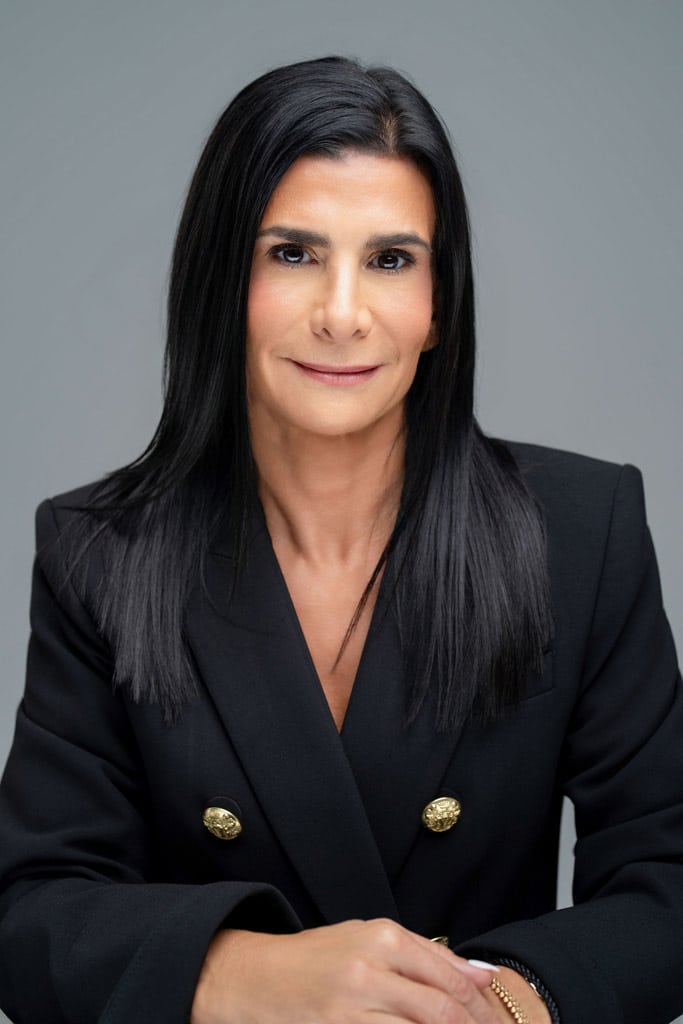
By all outward appearances, Kim Block had the kind of life most people would envy. She is a successful entrepreneur, a devoted wife and mother of three, and a respected philanthropist whose community leadership has touched countless Lowcountry families through initiatives like Lowcountry Strong Foundation and Hungry Heart.
A native of Villanova, Pennsylvania, the Tulane University graduate and Palmetto Bluff resident has built businesses, founded nonprofits, and cultivated a life centered on giving back.
Yet beneath that polished exterior lay a story few people knew.
For nearly five decades, Block believed that emotional wounds were simply part of family life. She accepted criticism as affection. She mistook silence for strength. She believed the way she had been raised was normal – until one sentence spoken in a therapist’s office changed everything.
“They told me, ‘That’s not normal,’” Block said. “I was 48 years old when I went to therapy for the first time, and I realized so many things I thought were normal, weren’t.”
That revelation became the catalyst behind her debut novel, I Am NOT Sam B*tch, a work of biographical fiction inspired by her own life that explores family dysfunction, betrayal, greed, resilience, and, ultimately, healing. While the names, locations, and certain identifying details have been changed to protect those involved, the emotional truth remains deeply personal.
More Than a Story About Wealth
At first glance, the novel appears to tell the story of privilege. Its fictional protagonist, Sam Glass, grows up surrounded by extraordinary wealth – private planes, luxury resorts, and the promise of inheriting a financial empire. But, as Block quickly points out, appearances can be deceiving.
“People often assume money solves problems,” she said. “In reality, wealth can magnify the very worst parts of human nature.”
The fortune itself is never the story. Instead, it becomes the backdrop for something far more universal: what happens when love becomes conditional, criticism replaces encouragement, and family loyalty is overshadowed by control and greed.
For Block, the painful realization wasn’t simply that conflict existed within her family. It was discovering that the emotional dynamics she had accepted throughout childhood were anything but healthy.
“My norm was very different than what I now know is normal,” she said. “I didn’t even realize it until I became part of my husband’s family. They talked to each other. They supported each other. They knew each other’s lives.”
Her own childhood looked very different. Conversations were rare. Emotions were largely absent. Rather than stepping in to stop hurtful behavior, the adults often allowed it – or participated in it. The nickname that eventually inspired the title of her book became one of the clearest examples. For years, family members casually referred to her using a cruel variation of her name. She accepted it without question.
“I thought it was endearing,” Block said. “Then I went to therapy, and they said, ‘No. That’s not endearing. That’s not normal.’”
Even today, recalling those moments carries emotional weight. “The last thing my father ever said to me was, ‘I love you,’ followed by that nickname,” she said. “You spend your whole life wondering, was it affection? Was it love? But it still wasn’t right.”

Kim Block explores family dynamics and emotional trauma in her new book, I am Not Sam B*tch.
When Greed Exposed Old Wounds
The emotional fractures within Block’s family existed long before money entered the picture. But after the death of her father, those fractures widened. Estate disputes, disagreements over partnerships established for future generations, and years of legal conflict forced long-hidden family dynamics into the open.
The financial disagreements themselves are woven throughout I Am NOT Sam B*tch, but Block is careful not to frame the novel as a legal thriller. Instead, she sees those events as exposing something much deeper.
“The book is really about how I grew up,” she said. “Once I went through therapy, I realized so many things that I thought were normal actually weren’t.”
Rather than focusing on courtroom drama, the novel explores the emotional cost of betrayal by the very people a child instinctively trusts most. Readers don’t simply witness a family fighting over money. They witness a woman questioning her own memories, her own worth, and the beliefs that shaped her identity from childhood.
That emotional journey is what ultimately elevates the story beyond one family’s experience. Many readers, Block believes, will recognize pieces of themselves within its pages, even if their circumstances look entirely different.
“I’ve already heard from people who said, ‘My story isn’t exactly the same, but I’ve been through something similar,’” she said. “That’s really why I wrote it.”
Choosing a Different Legacy
Perhaps the most remarkable part of Block’s story isn’t what happened to her. It’s what happened next. Instead of allowing her upbringing to define her relationships with her own children, she made a conscious decision to parent differently. Transparency replaced secrecy. Conversation replaced silence. Encouragement replaced criticism.
“My kids tell me everything,” she said. “Actually, my 15-year-old tells me way too much.”
The humor is genuine, but so is the underlying philosophy. Unlike the environment in which she grew up, Block wants her children to understand family decisions, ask questions, express opinions, and know they are heard.
“I don’t tell them what to do,” she explained. “They’re old enough to make decisions for themselves. We have real discussions. We talk about everything.”
That openness, she believes, represents one of the greatest victories to emerge from years of personal healing. The inheritance she hopes to leave her children isn’t measured in financial assets. It’s measured in emotional safety.
There have been setbacks. There have been painful discoveries. There have been moments when old wounds resurfaced in unexpected ways. Yet through each chapter, she found herself becoming more intentional about the life she was building.
Healing in Real Time
Writing I Am NOT Sam B*tch was never simply about publishing a novel. It became part of Block’s healing process. Over the past several years, she has embraced therapy, confronted long-buried trauma, and recently celebrated 11 months of sobriety – another deeply personal chapter that she says might become part of a future book. “This book was cathartic,” she said.
But catharsis wasn’t the final destination – growth was. Rather than presenting herself as someone who has all the answers, Block openly acknowledges that healing is rarely linear.
There have been setbacks. There have been painful discoveries. There have been moments when old wounds resurfaced in unexpected ways. Yet through each chapter, she found herself becoming more intentional about the life she was building.
That honesty gives the novel its emotional credibility. Readers aren’t meeting someone who claims to have conquered every obstacle. They’re meeting someone willing to say, “This is my story. This is how I experienced it. And maybe it will help someone else.”
Although the novel draws heavily from real events, Block intentionally chose biographical fiction rather than memoir. Names have been changed. Locations have been altered. Certain facts and timelines have been adjusted.
The decision served multiple purposes. It protected family members and, perhaps most importantly, protected her children. But it also acknowledged an important truth about memory itself. “This is how I remember it,” she said. “It might not be exactly how someone else remembers it, but it’s how I experienced it.”
That perspective allows readers to connect not with a legal record of events, but with the emotional reality of living through them. The result is a novel that feels both intensely personal and surprisingly universal.

Finding Freedom Through Truth
For Block, success has never been measured by book sales. If I Am NOT Sam B*tch reaches someone quietly struggling with family dysfunction, emotional abuse, or the lingering effects of childhood trauma, she believes the years spent writing it will have been worthwhile.
“My hope is that people realize they’re not alone,” she said. “It’s OK to ask for help. It’s OK to go to therapy. There are other people going through similar things.”
That message might ultimately become the novel’s greatest legacy. While the story contains betrayal, greed, broken trust, and painful family conflict, it never loses sight of something more powerful: Hope.
Kim Block cannot rewrite the family into which she was born. She cannot erase the wounds that shaped her early life or undo the choices others made. What she can do, and what she has done, is write a different ending. Not only through the pages of her debut novel, but around her own dinner table, where conversations are open, love is spoken freely, and her children never have to wonder whether they are enough.
In the end, I Am NOT Sam B*tch isn’t simply the story of a woman confronting her past. It’s the story of a woman reclaiming her identity and proving that, while we might inherit many things from our families, we also possess the extraordinary ability to choose what we pass on.
Find I Am NOT Sam B*tch on Amazon.